
The One Nation Reggae Festival was meant to be a cultural milestone for Sierra Leone. Organised by the Ministry of Tourism and Cultural Affairs, the event promised to showcase music, heritage, and national unity. With internationally recognised Jamaican artists such as Sizzla Kalonji @SizzlaKalonji and Christopher Martin @Iamchrismartin headlining, the festival aimed to position Freetown as a serious cultural and tourism destination.
Instead, it exposed some of our most uncomfortable national failures.
What should have generated positive international attention quickly became a public embarrassment. During Christopher Martin’s performance in late November 2025, part of the stage collapsed beneath him due to technical failure. The artist fell, required medical attention, and later cancelled scheduled performances abroad while recovering from his injuries. This was not a minor incident. It was a warning signal.
When a country invites global performers, safety is the minimum requirement. A collapsing stage reflects poor planning, weak standards, and institutional negligence. It tells artists, tourists, and investors that their well-being is not taken seriously. For a ministry tasked with promoting Sierra Leone as a safe and attractive destination, this failure was indefensible.
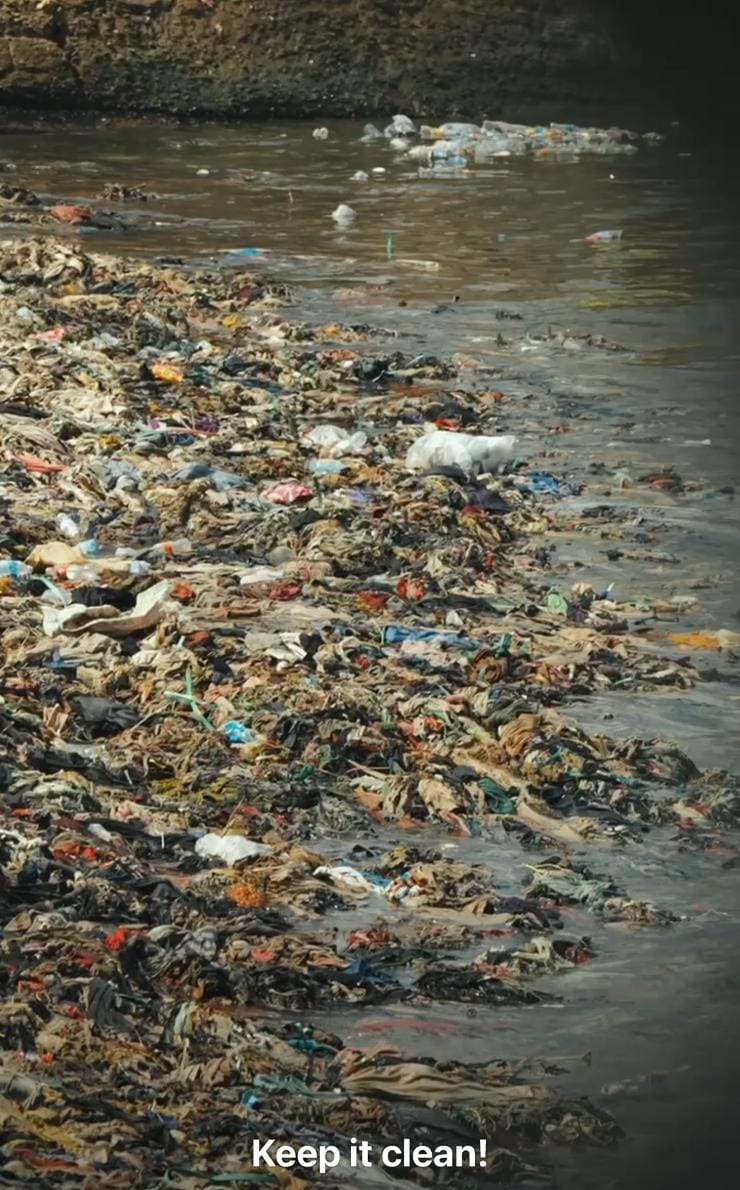
Yet the physical collapse of a stage was only one part of the story. The more devastating moment came from Sizzla Kalonji, whose reaction cut far deeper than any accident. Known for his advocacy on social justice and environmental responsibility, Sizzla did not soften his message. During his visit and on social media, he openly called on Sierra Leoneans to clean up their country. He shared an image of a waterway overwhelmed by plastic waste and captioned it with a blunt instruction to keep the place clean.
His words were uncomfortable because they were accurate.
Freetown is drowning in waste. Plastic clogs gutters, fills streams, and washes straight into the ocean. Beaches that should serve as tourism assets are littered with debris. What residents have learned to ignore stood out immediately to a visitor.
The scale of the problem is not anecdotal. Freetown produces more than 96,000 metric tonnes of plastic waste each year, and roughly 84 percent of it is disposed of improperly. Across Sierra Leone, plastic waste reaches approximately 130,000 tonnes annually, yet only about 5.5 percent is managed correctly. The remainder ends up in streets, waterways, and coastal ecosystems, contaminating water sources, harming marine life, and increasing flood risks.
Urban expansion has only worsened the crisis. Waste management infrastructure has failed to keep pace with population growth. Coastal communities face mounting health risks from polluted beaches and stagnant water. International organisations have repeatedly warned about the health and environmental consequences of unmanaged plastic waste in Sierra Leone.
This level of neglect directly undermines tourism ambitions. No marketing campaign can compensate for rivers filled with rubbish and streets lined with refuse. Festivals and cultural events cannot succeed when the surrounding environment signals disorder and decay.
The Ministry of Tourism’s pursuit of high-profile events without addressing basic sanitation and infrastructure reveals a deeper problem of misplaced priorities. Image-building has replaced nation-building. Sizzla’s criticism should not be treated as an insult or a public relations crisis. It should be understood as a mirror.
There is, however, a narrow opportunity for change. His comments sparked volunteer-led clean-up efforts by young people across Freetown. That response shows what is possible when accountability begins, even from outside voices.
#SierraLeone does not have to remain filthy. Meaningful reform requires investment in waste collection, recycling facilities, and enforcement of anti-littering laws. Public education must address plastic use and disposal. Government ministries responsible for tourism and the environment must collaborate rather than operate in isolation.
Citizens also carry responsibility. Clean cities are not produced by policy alone. They are maintained by collective discipline and pride.
The One Nation Reggae Festival was intended to celebrate who we are. Instead, it revealed who we have allowed ourselves to become. Future festivals should take place on solid stages, in clean streets, beside clear waterways. Until then, no amount of music or branding will hide the truth.
#Freetown is filthy. Acknowledging that is the first step toward change.
@FCC_Freetown