In the late eighteenth century, a restless Atlantic world carried ships, scriptures, rumours, revolutions, and fugitives across imperial frontiers with unsettling speed. Long before historians named it the “Black Atlantic,” enslaved and formerly enslaved Africans already inhabited it as makers of political meaning. They moved through its circulatory networks as soldiers, sailors, preachers, petitioners, refugees, and runaways, carrying with them …
Sierraeye
-
Rest in Peace, Coach Vic: Sierra Leone’s Only Female CAF ‘A’ Licensed Coach and Premier League Trailblazer
by Sierraeyeby SierraeyeCoach Victoria Conteh, affectionately known as Coach Vic or “De Cox,” former Head Coach of the…
-
Remembrance as a Political Project: Race and the Afterlives of Edward Wilmot Blyden
by Sierraeyeby SierraeyeThe afterlife of Edward Wilmot Blyden reveals, with unusual clarity, that remembrance is never a neutral…
-
In the small hours of Saturday, 25 April 2026, a suicide car bomb tore through the…
-
When the Strongman Falls: What Orbán’s Defeat Means for Africa’s Paper Democracies
by Sierraeyeby SierraeyeFor sixteen years, Viktor Orbán was the world’s favourite cautionary tale. He was also, for a…
-
After eighty years, the United Nations had finally acknowledged slavery and the transatlantic slave trade as…
-
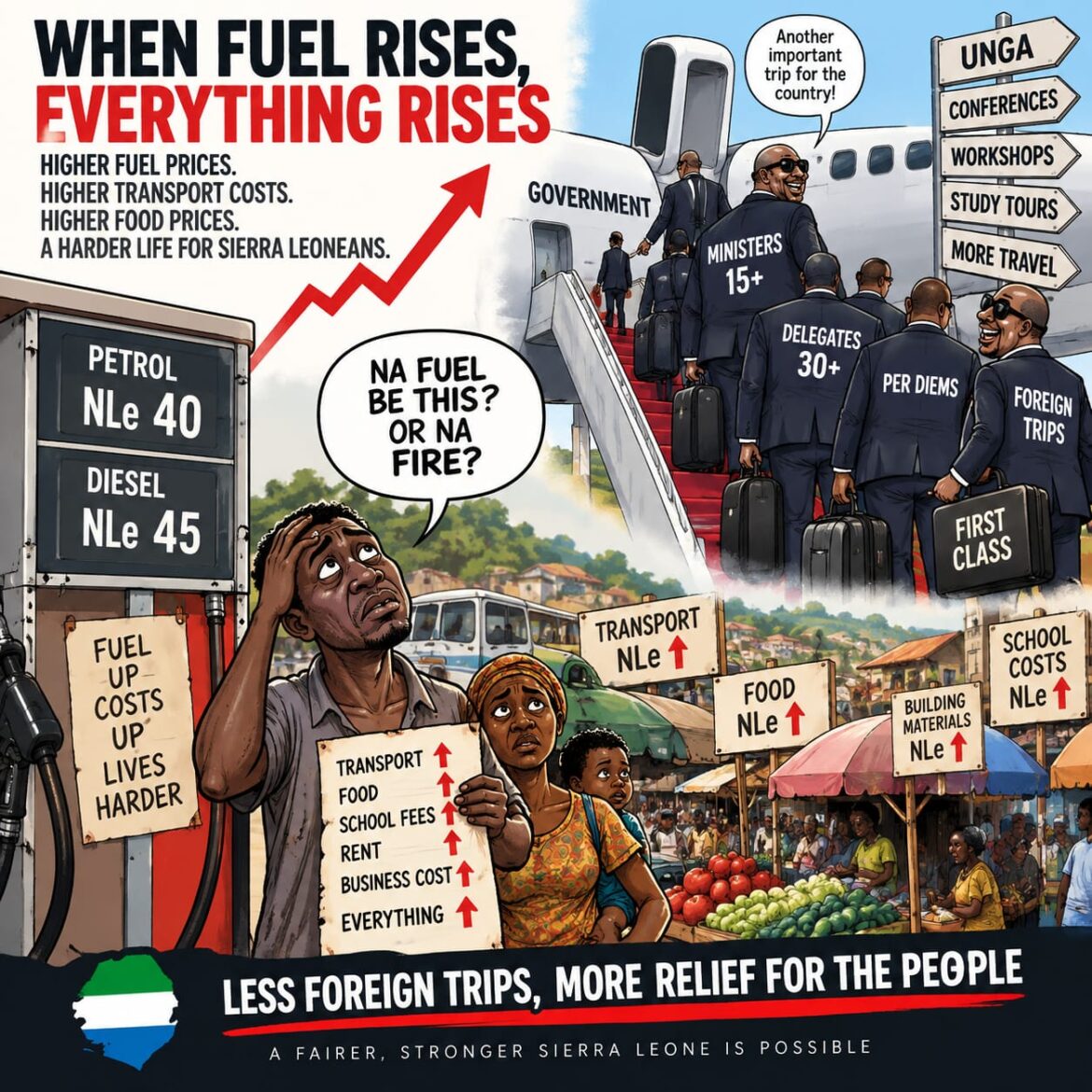
On 2 April 2026, the Government of Sierra Leone announced a temporary fuel subsidy, capping petrol…
-
As President of Senegal, Macky Sall sought to hold on to power beyond his constitutional mandate,…
-
As the Ministry of Basic and Senior Secondary Education and Human Capital Development Plus gather on…
-
From Hawkins to Freetown: Slavery, Empire, and the Case For Reparative Justice in Sierra Leone
by Sierraeyeby SierraeyeThe recent United Nations General Assembly resolution recognizing the transatlantic slave trade as a crime against…