
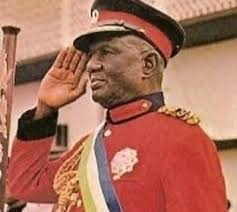
In late January 1977, Sierra Leone’s youth ignited a firestorm of protest that shook the foundations of then President Siaka Probyn Stevens’ authoritarian regime. What began as a bold act of defiance at Fourah Bay College (FBC), escalated into a nationwide uprising known as the “No College, No School” demonstrations. This pivotal moment in Sierra Leonean history exposed the deep-seated frustrations with corruption, economic mismanagement, and the creeping shadow of one-party rule under the All People’s Congress (APC).
The spark was struck during FBC’s annual convocation ceremony on January 30. Students, led by the charismatic Student Union President Hindolo Trye, unfurled placards demanding Stevens’ resignation and an end to extravagant government spending. Rumors of misappropriated funds from the sale of the “Star of Sierra Leone” diamond and luxury purchases for international delegates fueled their rage. As Stevens departed amid jeers and chants, the humiliation was palpable, a rare public challenge to a leader who had ruled with an iron fist since 1968.Retaliation was swift and brutal.
On January 31, pro-government thugs, dubbed “rarray man dem” and backed by the Special Security Division (SSD), stormed the campus. They unleashed violence, beatings, rapes, and widespread destruction. Trye’s arrest only amplified the outcry. Secondary school students across Freetown and beyond joined in solidarity, adopting the slogan “No College, No School.” Thousands of pupils poured into the streets, converging at landmarks like the Cotton Tree and police headquarters. Protests spread to towns like Bo, forcing shop closures and paralyzing daily life.
By February 2, Stevens declared a state of emergency, imposing a curfew and deploying the army to crush the unrest. While no deaths were widely reported, the crackdown was marked by floggings and arrests. The demonstrations persisted for weeks, drawing support from the broader public. It was a rare coalition of radical students, lumpen youth, and disillusioned citizens against repression.
The immediate outcome was bittersweet. The protests compelled Stevens to call a general election in May 1977. Yet, APC-orchestrated violence and electoral fraud secured a landslide victory, with the party claiming 74 seats to the SLPP’s 15. By 1978, Sierra Leone officially became a one-party state, entrenching Stevens’ power until his retirement in 1985.
Yet, the lessons from the vents this week 49 years ago resonate profoundly today. First, it underscored the power of youth activism in challenging dictatorships. In a post-colonial Africa rife with authoritarianism, Sierra Leone’s students demonstrated how non-violent resistance could force concessions, even if temporary. Their unity across educational lines highlighted education’s role as a catalyst for social change, reminding us that campuses are breeding grounds for reform.
Second, the events exposed the perils of unchecked corruption and political exclusion. The APC’s extravagance amid economic hardship alienated the masses, a warning for modern leaders: ignore public grievances at your peril. The protests also revealed the fragility of repressive regimes, brute force may quell dissent, but it sows seeds of future rebellion, as seen in Sierra Leone’s descent into civil war in the 1990s.
Finally, 1977 teaches resilience and the importance of free expression. In an era of digital activism, it reminds Sierra Leoneans of their history of defiance. As the nation rebuilds post-conflict, honouring this legacy means fostering transparent governance, protecting student voices, and ensuring that “No College, No School” remains a rallying cry for justice, not a forgotten echo.
For Sierra Leone, these demonstrations were more than a footnote; they were a blueprint for holding power accountable. Change begins with courage.