
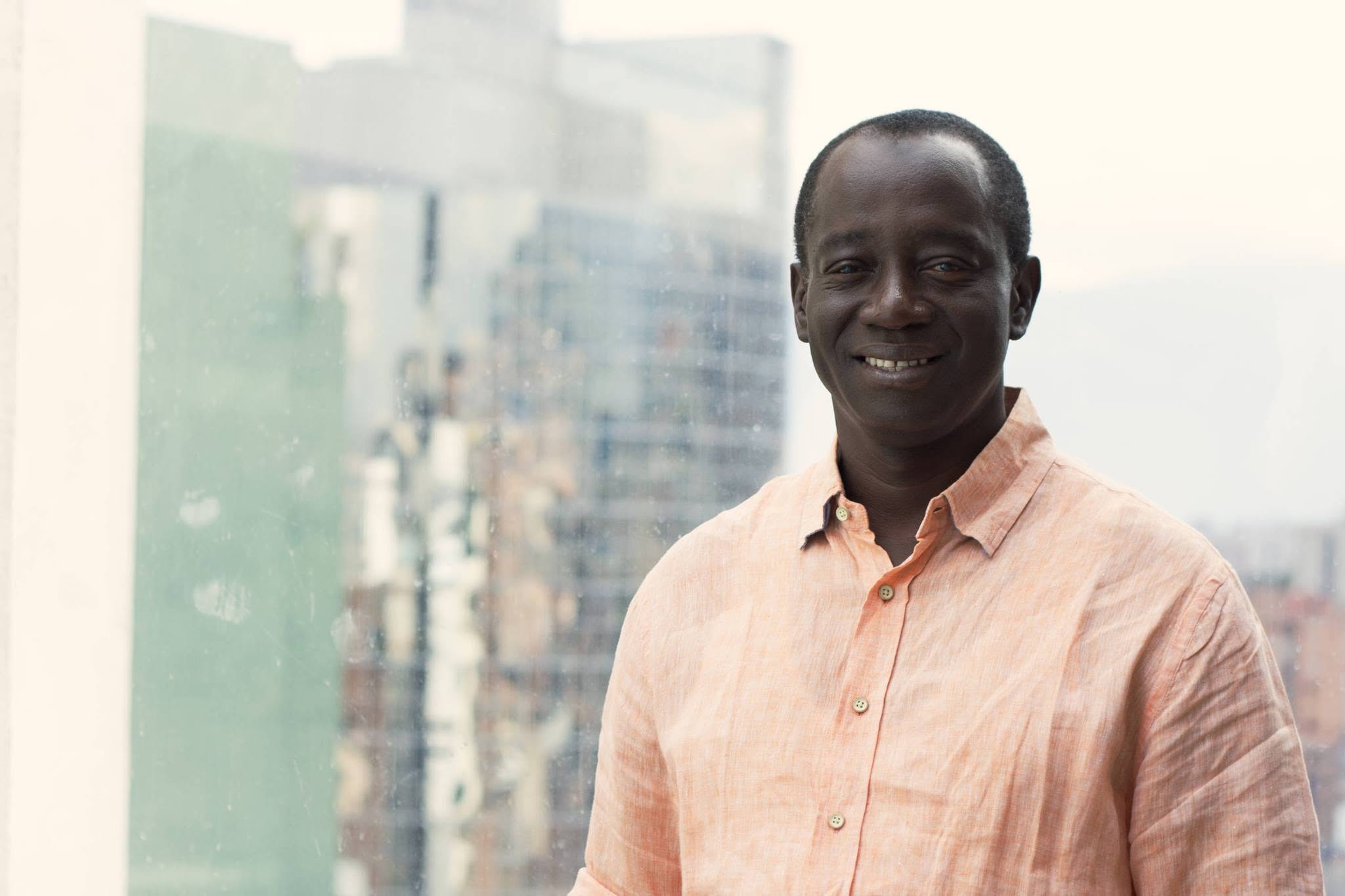
By Oumar Farouk Sesay
The debate over the merits and demerits of Sierra Leone hosting the ECOWAS Summit may continue for some time. Supporters will point to the diplomatic prestige, regional visibility and economic activity it generated. Critics will question the cost, timing and ordering of national priorities. That debate is legitimate. But the summit has already been held. The more consequential conversation now is not whether it should have taken place, but what the country must learn from what it made possible.
The first lesson is that the Government can mobilise goodwill across political, institutional and social divides when it chooses to do so. In a country where almost every public undertaking is quickly imprisoned within partisan suspicion, the preparations for the summit demonstrated that cooperation remains possible.
Citizens, public institutions, private businesses, contractors, professionals and communities contributed, directly or indirectly, towards delivering a major national assignment within an exceptionally short period. Whatever reservations may remain about the summit itself, that achievement should not be understated.
It showed that Sierra Leone is not inherently incapable of organisation, speed or collective effort. When the stakes are considered high enough, the country can summon competence, discipline and national pride. Bureaucratic delays can be shortened. Institutions can coordinate. Resources can be mobilised. Political differences can be managed. The machinery of the state can move with remarkable urgency.
The second lesson is even more significant. The Government was able to pursue two demanding national objectives at the same time: attempting to heal a political rift that had been eroding national cohesion while constructing and preparing a major facility to host leaders from across the sub-region.
Both undertakings required political will, negotiation, diplomacy, resource mobilisation and sustained executive attention. Together, they suggest that the leadership possesses both the will and the capacity to mend fences, coordinate institutions and deliver complex projects under pressure.
The Government has therefore answered one important question.
Can it deliver?
Yes, it can.
The deeper and more uncomfortable question is why this same energy is not consistently directed towards the everyday emergencies confronting Sierra Leoneans.
Why can the urgency demonstrated during the summit not be applied to hospitals where patients still struggle to obtain essential medicines? Why can the same mobilisation not be directed towards schools where children learn in overcrowded classrooms without adequate books, laboratories or trained teachers? Why can roads, electricity, water supply, sanitation, food production and youth employment not be treated with the same sense of national emergency?
Why must the state so often perform at its highest level only when the world is watching?
The summit has exposed a contradiction at the heart of governance. Sierra Leone does not always suffer from a complete absence of ability. It often suffers from selective urgency.
The state can move quickly when prestige is involved, when visiting dignitaries are expected or when the country’s international reputation is at stake. Yet it frequently moves slowly when the matter concerns the daily dignity of ordinary citizens.
A hospital without electricity is also a national emergency.
A school without teachers is also a crisis of national reputation.
A community without clean water is also an indictment of leadership.
A farmer unable to transport produce to market is also a victim of state failure.
A young graduate condemned to years of unemployment is also evidence of an economy that is failing to convert education into opportunity.
These conditions may not attract presidential motorcades, visiting delegations or international television cameras, but they shape the lives of the people whose taxes, labour, patience and hope sustain the state.
The lesson of the summit, therefore, should not be confined to the construction of a conference centre or the successful hosting of regional leaders. Its true significance lies in what it revealed about national possibility.
It revealed that Sierra Leone can organise.
It revealed that political differences can be managed when a larger purpose is recognised.
It revealed that institutions can cooperate.
It revealed that resources can be mobilised.
It revealed that deadlines can be met.
Above all, it revealed that leadership can generate momentum when it decides that an objective must be achieved.
The challenge now is to transform that temporary momentum into a permanent culture of governance.
National progress cannot depend solely on special events, presidential directives or moments of international attention. The discipline demonstrated during the preparations for the summit must become the ordinary habit of government. Coordination must become routine. Accountability must become permanent. Deadlines must matter even when no foreign delegation is arriving. Public institutions must work with urgency even when there are no cameras to record their performance.
The same spirit that built and prepared a centre for the sub-region should now be used to build functioning hospitals, restore schools, expand electricity, improve access to clean water, support farmers and create meaningful opportunities for young people.
The political reconciliation that enabled the country to present a more stable face to the region must also be deepened beyond ceremony. Reconciliation should not merely calm tensions among political elites or produce temporary public gestures. It must restore trust among citizens, strengthen institutions and cultivate a political culture in which disagreement does not become enmity and opposition is not treated as treachery.
The true legacy of the ECOWAS Summit will not be measured by the splendour of its opening ceremony, the elegance of its conference halls or the communiqué issued at its close. Those moments will soon recede into history. Its enduring legacy will be determined by whether the same political will is now directed towards the unfinished work of nation-building.
If the Government could unite institutions, compress bureaucratic timelines, mobilise resources, inspire cooperation and deliver a project of regional significance within a short period, then it demonstrated something far more important than organisational competence.
It demonstrated that transformative governance is possible.
That demonstration has changed the terms of the national conversation. The question is no longer whether Sierra Leone has the capacity to address its most pressing challenges. It does. The question is whether the struggles of ordinary citizens will be treated with the same urgency, seriousness and resolve that were devoted to the summit.
Every child studying in a dilapidated classroom deserves the urgency of the summit.
Every mother waiting for medicine in a public hospital deserves the urgency of the summit.
Every farmer struggling to carry produce to market deserves the urgency of the summit.
Every community without clean water deserves the urgency of the summit.
Every young person searching for meaningful work deserves the urgency of the summit.
The summit has therefore become more than a diplomatic achievement. It has become a benchmark against which future governance will inevitably be measured. It has raised expectations because it has revealed what is possible when leadership decides that something must be done.
It has also removed one of the most convenient excuses of government: the claim that the state is too weak, too divided, too poor or too disorganised to act decisively. The summit showed that when an objective is elevated to the level of national priority, the country can find the will, the people, the money, the coordination and the speed to deliver it.
Governments are remembered less for what they promised than for what they proved they could achieve. The ECOWAS Summit has already answered one important question: can the Government mobilise, reconcile, build and deliver?
Yes, it can.
Those three words should be the summit’s true legacy. But they should also become a national demand.
Yes, we can build hospitals that heal rather than merely receive the sick.
Yes, we can create schools that educate rather than simply enrol children.
Yes, we can provide water, electricity, roads and opportunities with the same determination used to prepare for visiting leaders.
Yes, we can reconcile our politics without surrendering accountability.
Yes, we can build a state that works not only on ceremonial occasions, but every day, for every citizen.
History will not merely remember that Sierra Leone hosted an ECOWAS Summit. It will ask what the country did with the confidence, competence and possibility the summit revealed.
Having proved that we can, will we now summon the same will, skill and urgency to build a better Sierra Leone?
That is the question the summit leaves behind.
And that is the legacy that must now be earned.