
With just a few weeks to go before the first Olympic Games ever organised on the African continent, Dakar 2026 represents a historic opportunity for Senegal. But the first public moments around the Games already raise an essential question: are we giving our young people a place that matches the scale of an event with youth at its very heart?
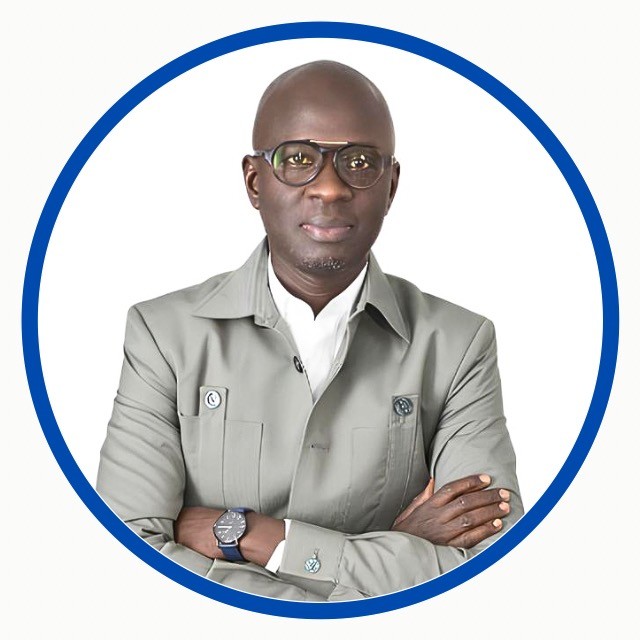
By Alassane Mbaye
In a few weeks, Senegal will host a historic event: the Dakar 2026 Youth Olympic Games, the first Olympic Games ever organised on the African continent. Beyond their sporting dimension, these Games are an exceptional opportunity to raise our country’s profile, showcase its talent, stimulate its economy and strengthen its international appeal.
An event of this scale cannot be seen as merely a sporting competition or as a gathering lasting only a few weeks. It must be conceived as a national project for visibility, opportunity creation and transmission. The real question is therefore not only whether Senegal will successfully organise the Youth Olympic Games. It is what our country will be able to gain from them and what will remain after 2026.
The first ceremonies already raise a question
I have followed with great interest the first public moments surrounding Dakar 2026, including the arrival of the Flame in Dakar, the official anthem and the major communication events that are beginning to establish the Games in the public sphere. These moments matter: they set the tone, shape the imagination around the Games and project a particular image of Senegal.
Yet they have left me with one question. Is Senegalese youth sufficiently represented at the forefront of this story? In my view, not yet. This does not diminish the work already accomplished, nor the need to celebrate our heritage, our cultural references and the figures who have helped them shine. But for an event that has youth in its name and at the core of its purpose, we must go much further in the place we give to young people.
Being present in the audience, among volunteers or within support systems is not enough. Our young people must also be visible on stage, in creation, production, artistic choices, content, innovation and in the image of Senegal that we will present to the world.
“Young people must not only be the audience of Dakar 2026. They must be its face.”
This is not a symbolic demand. It goes to the very meaning of these Games. For several weeks, thousands of young athletes, delegations, journalists and visitors will discover our country. They should encounter a Senegal that is proud of its history, but also young, creative, bold, entrepreneurial and firmly focused on the future.
Making the Youth Olympic Games a showcase for Senegalese youth
Our country has an extremely creative, entrepreneurial and connected young generation. Dakar 2026 can offer them a rare platform for expression, learning, visibility and professional integration. We must therefore give a much more visible place to young entrepreneurs, students, creators, developers, communicators, photographers, videographers, designers, musicians, dancers, athletes, artists and project leaders.
They can contribute to organisation, communication, innovation, tourism, culture, events and services. They can produce content, design experiences, develop digital solutions, tell the story of the Games differently and create value around the event.
The challenge is to move from a model in which young people are mainly spectators or beneficiaries to one in which they become full actors and creators of value. Dakar 2026 should be able to reveal talent, create networks, build skills and offer some young people a first professional or entrepreneurial experience capable of producing lasting effects.
Turning visibility into economic opportunities
Senegal will be watched far beyond the sporting venues. During the Games, Dakar will become a showcase for the country and, more broadly, a gateway to Africa. This exposure can strengthen our tourism appeal, promote our destinations, hospitality and expertise, and also attract the interest of investors and international partners.
The economic impact should therefore not be considered only through spending directly linked to the organisation of the Games. Hotels, restaurants, transport, trade, tourism, crafts, events, audiovisual production, communication, security and digital services can all benefit from the influx and visibility generated by the Games.
The Senegalese private sector must be fully involved in this momentum. Our SMEs, startups, entrepreneurs, artisans and service providers should be able to access the opportunities created by the event. The Youth Olympic Games can become a platform enabling some companies to gain visibility, build partnerships and, in some cases, enter new markets.
It is also an opportunity to better promote ‘Made in Senegal’. Visitors should not leave only with memories of the competitions, but also with the discovery of products, creations and services designed in Senegal. The objective must be clear: to ensure that more of the value created by the Youth Olympic Games circulates within the national economy.
Our culture must transmit, but also reveal
Sport will not be the only language of Dakar 2026. Culture will necessarily play a central role. Senegal has an extraordinary artistic heritage: music, dance, cinema, fashion, literature, crafts, gastronomy, visual arts and creative industries. This wealth must be shown to the world.
But this is not about setting generations against one another, or choosing between heritage and modernity. The challenge is precisely to bring them into dialogue. Our culture is strongest when it is transmitted, reinterpreted and carried by those who are inventing new ways of telling Senegal’s story today.
The ceremonies, fan zones, entertainment and major Dakar 2026 events should therefore become both spaces of transmission and platforms for discovery: places capable of honouring established figures while bringing forward new Senegalese faces, voices and aesthetics.
This is also an economic issue. Cultural and creative industries generate jobs, income and influence. The Youth Olympic Games can help give this new generation greater visibility and open up opportunities beyond our borders.
The real issue: what will remain after 2026
The success of Dakar 2026 should not be measured only when the final competition ends. What matters most will be what the Games leave behind: better-used infrastructure, better-trained young people, companies that have gained new markets, artists who have reached new audiences, visitors who want to return, and international partnerships capable of lasting.
This legacy mindset must guide action from now on. The skills acquired must be retained and built upon. The networks created must be maintained. The companies and talents supported must be able to continue developing. The international visibility gained must be transformed into lasting attractiveness.
To achieve this, the Games cannot be the responsibility of a single institution. Their success and legacy require the mobilisation of the entire national ecosystem: the State, local authorities, the private sector, universities, schools, cultural actors, the media, associations, athletes and, of course, young people.
Making Dakar 2026 a generational project
Senegal has a rare opportunity: to welcome the world and show what it can do. We must, of course, succeed in organising the Games. But above all, we must succeed in transforming this opportunity.
The true success of Dakar 2026 will not be measured only by the quality of the competitions or the beauty of the ceremonies. It will be measured by our collective ability to turn a few weeks of visibility into several years of opportunity, and by the place we will truly have entrusted to our young people to create, decide, build businesses, learn, gain recognition and carry Senegal’s image.
The Youth Olympic Games must leave a sporting legacy. But they must also leave an economic, cultural, entrepreneurial, tourism and human legacy. And if we want Dakar 2026 to truly be the Games of Youth, then young people must not simply be invited to take part: they must be called upon to embody them.
Alassane Mbaye – CEO of Vigilus International, a pan-African group operating in West Africa and the Middle East (Dubai), specializing in Facility Management services (security, safety, maintenance, technical building management, transport, logistics, etc.).