
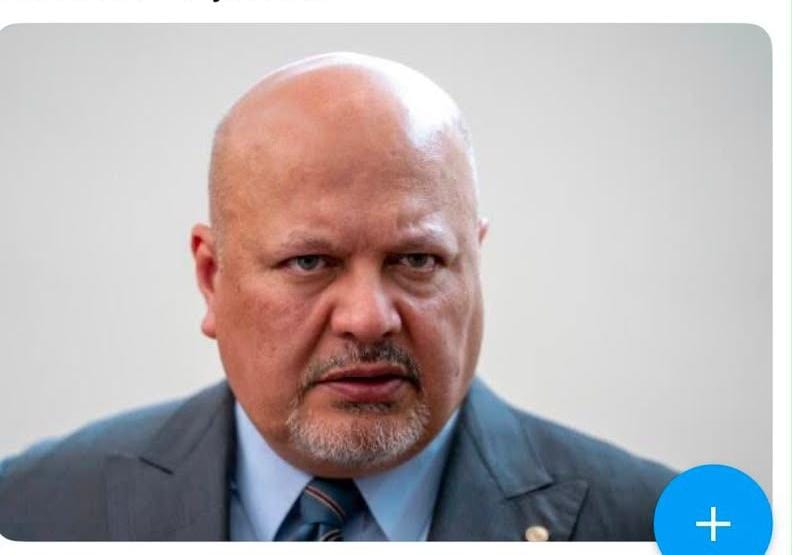
Former International Criminal Court (ICC) Prosecutor Karim Khan KC has vowed to challenge his removal from office after the Assembly of States Parties (ASP) voted to dismiss him in a controversial decision that is already sparking debate across international legal circles.
In a statement released by his legal team on 24 July 2026 in New York, Khan rejected the decision and argued that the process leading to his removal ignored the findings of independent investigations and violated principles of due process.
The Assembly of States Parties voted earlier this week to remove Khan from his position as ICC Prosecutor, ending his tenure at the Court amid allegations of serious sexual misconduct, allegations he has consistently denied.
Legal Team Questions Basis of Decision
Khan’s lawyers maintain that investigations carried out by the United Nations Office of Internal Oversight Services (OIOS) failed to establish misconduct.
According to the statement, the OIOS investigation lasted more than a year and produced 137 findings, none of which concluded that Khan had engaged in misconduct or breached his duties as Prosecutor.
The legal team further pointed to a review conducted by an independent Judicial Panel of three senior international judges appointed by the ICC Bureau.
They stated that on 9 March 2026, the panel unanimously concluded that the factual findings gathered during the investigation did not establish misconduct under the relevant legal framework.
A major focus of Khan’s response centres on what his lawyers describe as serious procedural flaws.
The legal team argues that Khan was denied an opportunity to formally present his case before member states voted on his removal. They also claim his legal representatives were not permitted to address the Assembly or participate in proceedings that ultimately determined his future.
According to the statement, the Bureau allegedly disregarded the conclusions of the Judicial Panel it had itself appointed and altered procedures during the process.
His lawyers further contend that member states were asked to vote on misconduct findings and removal simultaneously, rather than conducting separate determinations as previously outlined.
Beyond Khan’s individual case, his legal team warned that the decision could have broader implications for the independence of the International Criminal Court.
The statement argues that elected officials of international judicial institutions should be protected from removal through processes that are politically influenced or inconsistent with independent judicial findings.
It also noted that Khan was removed at a time when the ICC faces significant political pressure and external scrutiny over several high-profile investigations and prosecutions.
Despite the vote, Khan has indicated that he will pursue every available legal avenue to contest the decision.
His lawyers confirmed that he intends to challenge both the legality and fairness of the removal process, adding that further details will be provided in due course.
The statement concludes by thanking member states, legal professionals, civil society organisations, and court officials who, according to the legal team, defended the principles of due process, judicial independence, and equality before the law throughout the proceedings.
The removal of Karim Khan marks one of the most consequential developments in the ICC’s recent history. While supporters of the decision argue it was necessary to preserve the Court’s credibility, critics contend that the process itself raises important questions about fairness, accountability, and the independence of international justice institutions.
As legal challenges loom and global attention remains fixed on the Court, the debate surrounding Khan’s removal appears far from over.
#SierraEyeNews
#EyeForNews
@Aziz let’s go